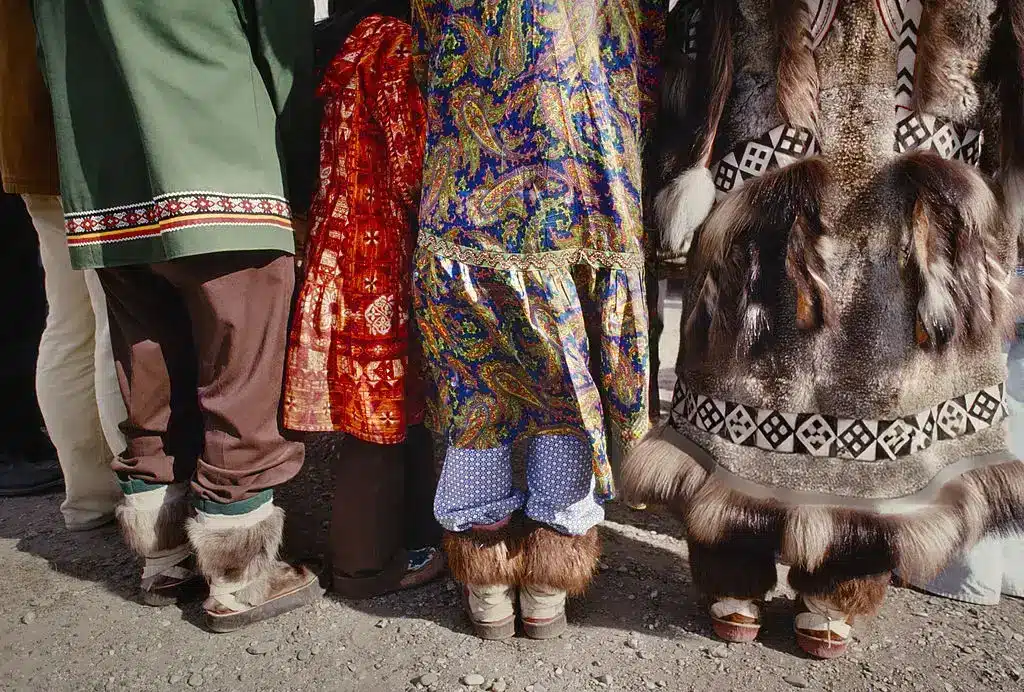
The Wildlife Program of the Native Village of Barrow plays a critical role in protecting the environment, sustaining subsistence practices, and promoting traditional knowledge. It focuses on balancing resource use with conservation to ensure that the bounty of land, sea, and air remains available for future generations. Through partnerships with other North Slope communities and environmental organizations, the Wildlife Program works to preserve the natural balance while promoting cultural continuity.
The Wildlife Program honors the Inupiat people’s deep-rooted tradition of stewardship and their sustainable relationship with the environment, which has been maintained through hunting, fishing, and gathering for generations. The program promotes the sustainable use of natural resources to ensure food security through subsistence activities, educates youth about Inupiat traditions, and emphasizes the critical role the environment plays in sustaining life and culture. Additionally, the program collaborates with regional partners to manage natural resources and protect ecosystems, extending from the Brooks Range to the Arctic Ocean.
The Young Hunter’s Program teaches traditional hunting skills and Inupiat values, preparing youth for safe and responsible participation in subsistence activities. The program emphasizes cultural knowledge, safety, and environmental stewardship.
Activities Include:
Camping Skills:
Includes the use of arctic camping equipment such as tents, sleeping bags, cookware, and more.
Graduation Ceremony:
Participants receive special gifts such as traditional tools, weapons, and gear upon completing the program.
By participating, attendees and their guardians consent to being photographed and filmed during program activities. These images and videos may be used for a variety of purposes, such as promotional materials, educational content, and outreach. They may appear in news, websites, and social media.
By participating in outdoor activities, attendees acknowledge risks involved, including exposure to extreme weather, use of firearms and equipment, and operating vehicles. Participants must follow all safety protocols and refrain from using equipment or engaging in activities they feel unqualified for.
Our Program actively collaborates with other North Slope communities to promote resource conservation. Through shared efforts, we ensure the continuance of subsistence practices that preserve the natural balance and strengthen the cultural identity of the Inupiat people.
The Wildlife Program serves the Native Village of Barrow by promoting: